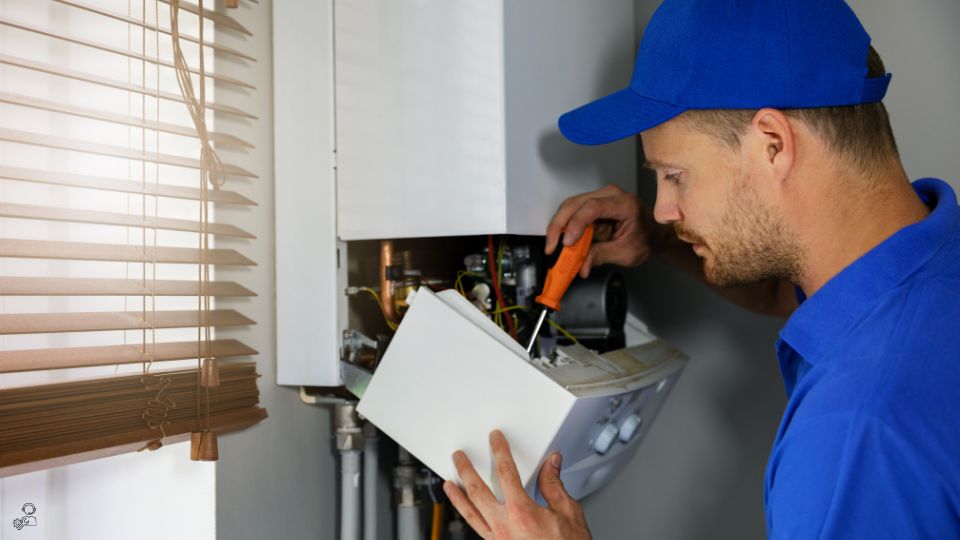
Planning Smart Repairs for Home Heating and Hot Water Systems
Homeowners often face the dilemma of when to repair, upgrade, or maintain heating and hot water equipment. Assess the age, usage patterns, and recent fault history before doing anything else. A short log of symptoms, noises, error codes, and fuel consumption helps define scope. Aim to capture photos of labels and vent paths. With this baseline, you can triage safety issues first and defer minor cosmetic fixes.
Meanwhile, map the system as a whole rather than treating a single appliance in isolation. Verify gas supply condition, electrical protection, water quality, and ventilation. Sediment, limescale, and poor makeup water can trigger recurring faults. Then document thermostat behavior, pump performance, and return temperatures across typical loads. This fuller view reduces guesswork, speeds fault isolation, and prevents repeat visits for overlooked side effects.
Beyond that, build a realistic timeline that buffers for parts availability and access constraints. Stage replacement components in advance when models have known wear items. Maintain a small inventory of seals, electrodes, and filters to keep downtime short. In practice, having venting adapters, dielectric unions, and descaling solutions on hand avoids mid-job delays. A tidy work zone with drop cloths protects finishes and shortens the cleanup punch-list.
However, safety verification is nonnegotiable. Inspect combustion air pathways, confirm flue integrity, and validate gas-tight joints after any adjustment. Calibrate controls within manufacturer limits and test relief devices. For electric units, test GFCI/AFCI and bonding continuity. Finally, run a full heat cycle, check for nuisance lockouts, and log values. This evidence supports warranty claims and gives you a defensible service record.
Often the budgeting question hangs over every decision. Align costs with lifecycle value by comparing remaining service life to the price of intermittent fixes. Buffer for seasonal spikes when demand surges and lead times stretch. Simple preventative tasks—flushing heat exchangers, cleaning burners, replacing anodes—can extend useful life. Scope annual service to off-peak months, when technicians have more scheduling flexibility and you can address non-urgent findings calmly.
Then think about water quality and combustion tuning as long-term risk controls. Validate hardness and consider treatment if scaling is chronic. Refine combustion by checking draft, manifold pressure, and flame characteristics. Document settings, part numbers, and next service dates. When repairs touch multiple systems, sequence the work to preserve heat and hot water availability, using portable heaters or staggered shutdowns to minimize household disruption.
Next, consider vendor fit with your equipment mix and response expectations. A provider familiar with Reparacion de calderas Junkers can streamline diagnostics and reduce callbacks. Likewise, teams accustomed to Reparacion de calentadores Junkers will already know common failure modes and compatible parts. Ask about parts sourcing channels, typical lead times, and post-repair validation steps so you can plan contingencies if an urgent fault recurs.
Additionally, clarify communication and documentation practices. Request a written scope, the tested readings, and any deviations from factory specs. Validate that the technician labels shutoff valves and provides relight or reset instructions. If aerothermal or hybrid systems are present, confirm that electrical protections and drainage are sized correctly. A clean handoff lets future visits start from facts rather than guesswork, shortening diagnosis and keeping costs predictable.
In practice, seasonal timing affects both comfort and component stress. Heat exchangers and venting see their hardest use in colder months; filters and condensate lines clog faster. To avoid rework, schedule a follow-up inspection after the first week of runtime, especially after major parts changes. Inspect for micro-leaks, re-torque connections, and verify condensate disposal, catching small issues before they escalate into outages.
Finally, remember that local support matters when you need assistance quickly. When referencing Servicio Tecnico Junkers Valencia in your planning notes, include model identifiers and prior service records to accelerate triage. Keep receipts and a maintenance calendar visible near the equipment. With staged materials, validated safety steps, and clear documentation, you convert reactive emergencies into managed tasks, protecting comfort and controlling total ownership costs.